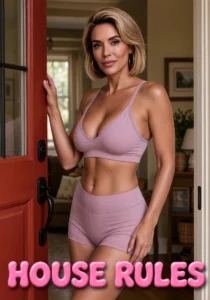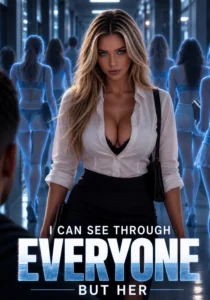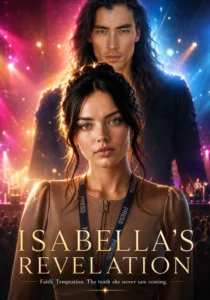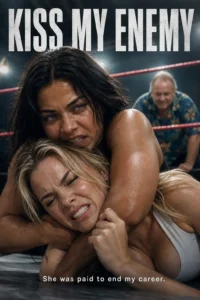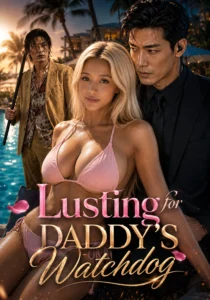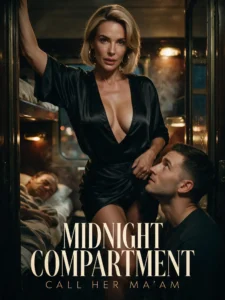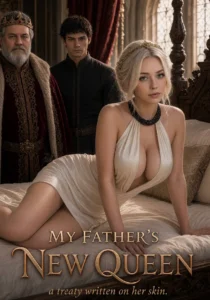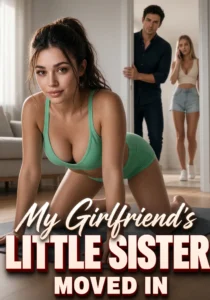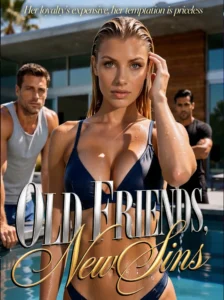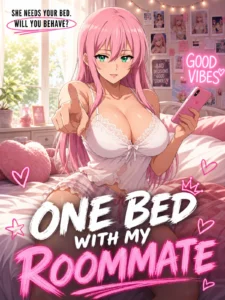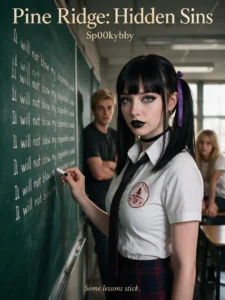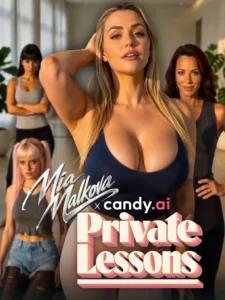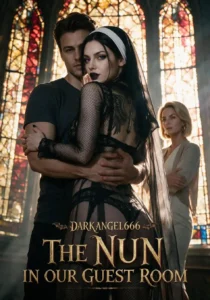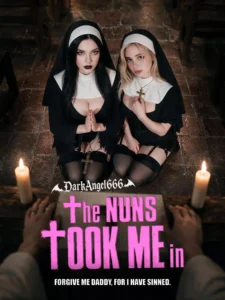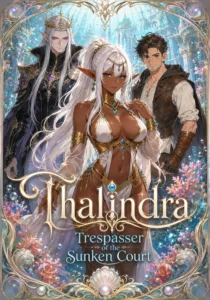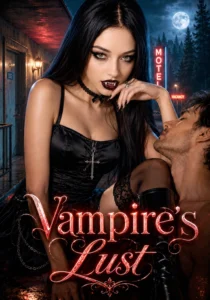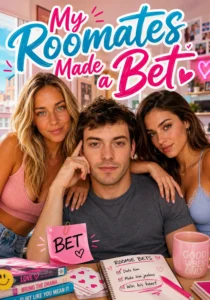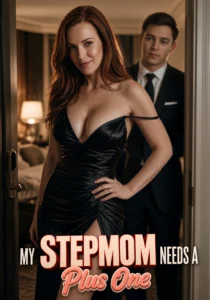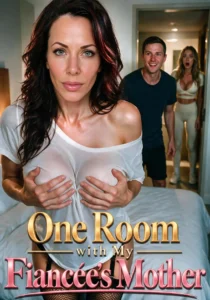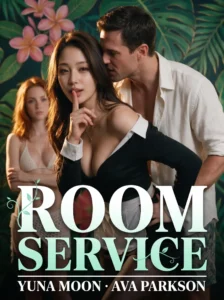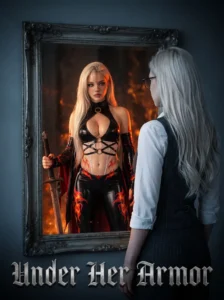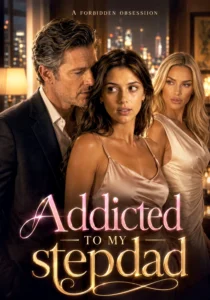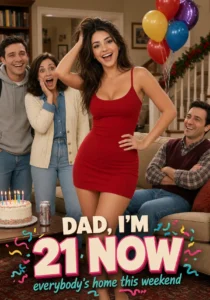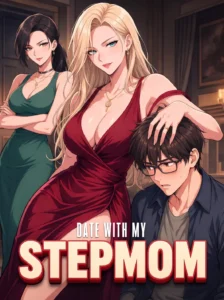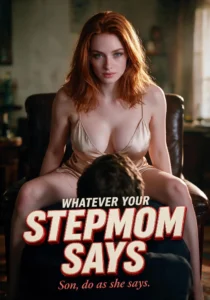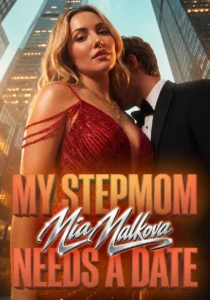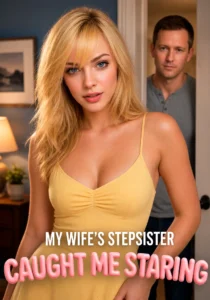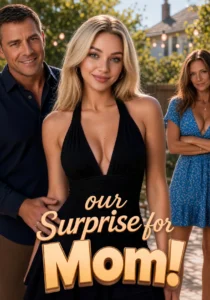




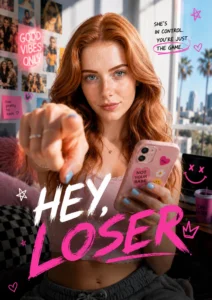

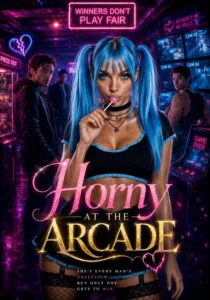
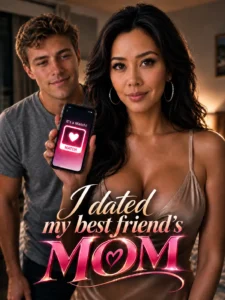

What Candy AI Shorts actually is
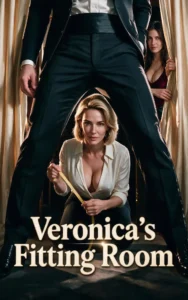
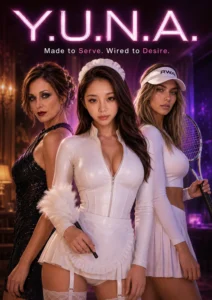
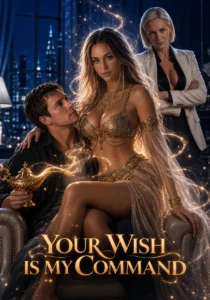
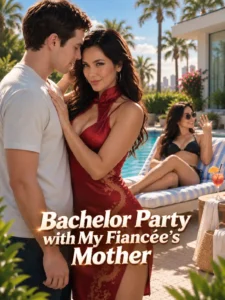
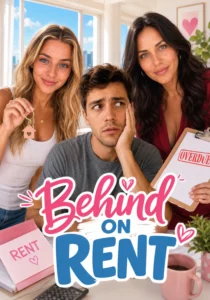
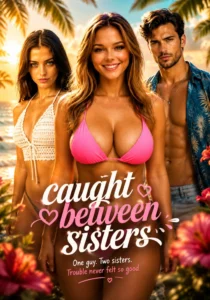
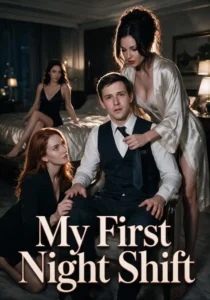
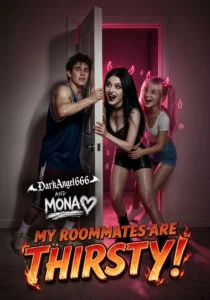
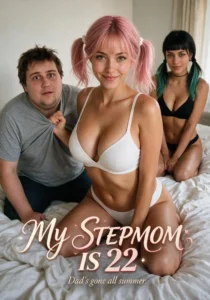
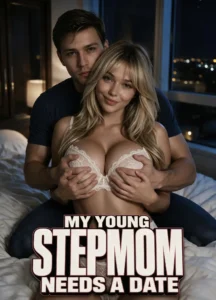
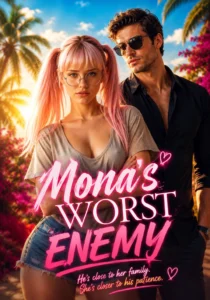
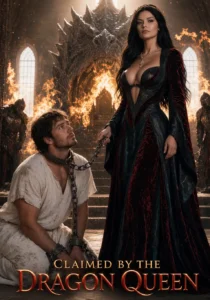
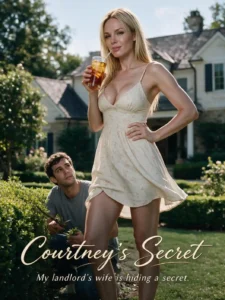
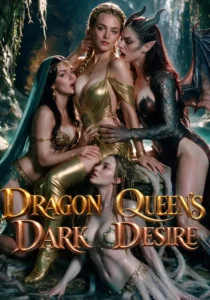
Take the branding off and Candy Shorts is a story shelf bolted onto an AI companion app. You pick a series, hit episode one, and a fixed run of short episodes plays out in order. You don’t type anything. You don’t choose anything either, and nothing branches because of you; somebody settled the ending long before you showed up. That’s the whole format. I think it’s worth saying up front, because most people land here from a search that assumes video, and what they find is closer to an illustrated serial with a paywall halfway down.
So the useful question is about money, not philosophy. What do you get for nothing, what do you get for tokens, and how do you work out in advance which of the 129 series deserves your first spend? That’s what the rest of this page is for.
The catalogue in numbers
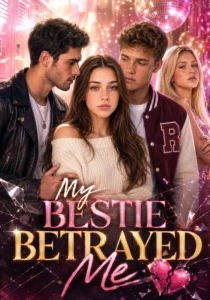
As of early October 2026 there are 129 series and 737 episodes on the shelf, and the shape is lopsided. 118 series run exactly five episodes. After that it thins out fast: two at six, one at seven, one at nine, two at ten, three at fifteen, one at twenty and one at thirty-four. That last one sits way off on its own. It’s My bestie betrayed me, 34 episodes long, and seeing it through costs 384 tokens.
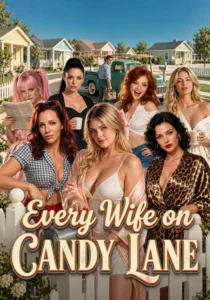
The tags help less than you’d hope. Romance, spicy and stepmom are stuck on every single title, so they tell you precisely nothing. The labels that actually sort things are narrower ones (taboo on 48 series, milf on 29, wife on 16, fantasy on 9), and even those describe the premise, not the heat. A fantasy tag won’t tell you how far episode four goes.
Is Candy Shorts porn, and where exactly does that start?
Past a certain episode, yes. Before it, no, and the line isn’t blurry at all. The opening stretch of any series is suggestive: flirting, people standing too close, the setup doing its work with clothes on. Explicit material shows up at the exact moment your tokens do, and on almost the entire catalogue that moment is episode three. The one exception is Simona Rossi: Wrong But Right, which gives away three episodes instead of two, so its adult run starts at episode four.
What follows from that matters more than the trivia. The suggestive part is the free part of Candy Shorts, which means the sample you’re allowed to watch can’t show you how far a series goes, not even in principle. It’ll tell you the tone, the pacing, whether you like her. About the explicitness you’d be paying for, it tells you nothing.
What your tokens buy, by length
There are only two prices on Candy Shorts. Standard series cost 12 tokens an episode and the ten licensed ones cost 30. Nothing else changes, so the maths is quick, and I’d do it before committing to anything.
A standard five-episode series comes to 36 tokens, the default purchase in this catalogue. Put a licensed performer on the same five episodes and it’s 90. Length scales it from there: the ten-part titles finish at 96, the fifteen-part ones at 156, and Simona Rossi: Wrong But Right lands at 144, because that extra gift episode is one fewer to pay for. No subscription anywhere on Candy AI opens a series. Tokens are the only key. (I’m not quoting a figure in dollars, by the way. Pack sizes and promos move around too much for any number to stay true.)
Candy Creators, and why ten series cost more
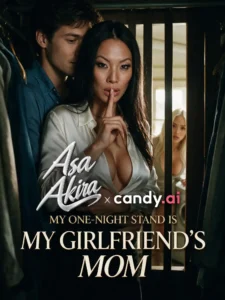
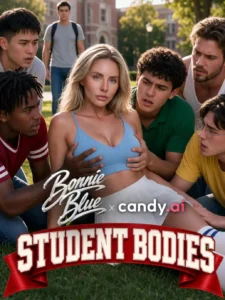
Ten series carry a licensed performer, and they’re exactly the ones charging 30 tokens an episode. Riley Reid has three, Bonnie Blue has two, and Sophie Dee, Mia Malkova and Lexi Luna have one each. The deal is the same on all eight. Her likeness is licensed, her name gets a credit where the series is listed, and what plays is generated rather than shot on a set.
The wider Candy Creators roster runs to 13 names, Alexis Ivyedge, Ava Starz and Brianna Howe among them, and most of those women don’t have a Shorts series at all. So the premium buys a name, not more story: every licensed title is a five-parter with the same skeleton as a 36-token one. If she’s the reason you’re here, fair enough, that’s a real reason. If she isn’t, the unlicensed shelf does the same job for less than half.
How to choose without wasting tokens
Four things actually separate these series, and the cover art isn’t one of them. First, how much you get to sample. A five-episode title shows you 40 per cent of itself before it asks for anything, while My bestie betrayed me shows you about 6 per cent, which is a pretty thin look at a 384-token commitment. Second, length, because that decides if you’re buying an evening or a project.
Third, whether anyone’s still around after the ending (more on that in a second). Fourth, the price tier, which is really the licensed question again in different clothes. My advice for a first purchase is boring and, I’m fairly sure, right: take an unlicensed five-parter with a premise you genuinely like, spend the 36 tokens, and find out if the format suits you before moving up to something fifteen episodes long.
Nine series that shut the door on the way out
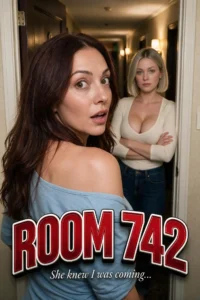
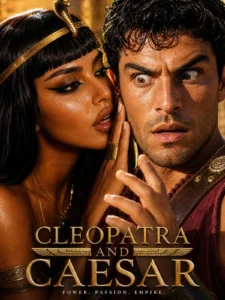
Most titles here do something quietly generous once the last episode’s done. They leave the character behind as a companion, still there to talk to inside Candy AI. The story stops; the woman doesn’t. Nine series that I know of skip that step. Room 742, My Hot Professor and Cleopatra and Caesar are three of them, and when their credits roll there’s nobody waiting.
The detail I find genuinely useful is that all nine are five-episode titles at 36 tokens, the same price as the ones that do leave someone behind. You pay the standard rate and get a bit less. Does that sting? Depends what you came for. If the episodes are the product, it costs you nothing. If what you really buy tokens for is the conversation afterwards, you’re paying full price for three quarters of the thing.
Candy Shorts compared with an ordinary Candy AI chat
The companion chat is the main event on Candy AI, and it’s the opposite product in nearly every way. In the chat you steer, it never wraps up, and the cost creeps up with every message and image you ask for. With Candy Shorts the writing’s finished, the arc is fixed, and you know the total before a single token moves.
That’s the honest case for this section. Not that it’s better, just that it has edges. You can open a series page, do the sum, and know what finishing it costs, which is rarer than it should be in this corner of the internet. The catch is that you’re a reader, not a participant, and if participating is the whole point for you, your tokens belong in the chat.